Category Archives: Travel to Cuba

Havana Update/Emergency Aid for Cuba

Hello from Havana everyone. If you haven’t heard the news of Cuba going dark and then getting Oscarized, cue my envy: what we are living here is duro, and more difficult still due to the world’s longest, strongest sanctions (a friend calls it ‘the slow Gaza’), decimated support systems (no one is immune to emigration and loss), and the hate emanating from here, there and everywhere zooming around the Internet.

Anyone who is not on the ground cannot know what we are going through, so here’s a quick summary, followed by ideas of what you can do to help during different stages of the recovery process.

Why the italics? For you newbies, I’ve lived and worked in Havana for 22 years as a journalist and volunteered in the Cuban campo in August 1993: I tasted the ‘special’ in Special Period. I’ve reported through many hurricanes here, and accompanied Cuba’s Henry Reeve medical team in post-earthquake Pakistan (2005) and Haiti (2010). I lived through 9-11 in my hometown. I know what disaster looks, feels and smells like. When the national electrical grid crashed last Friday morning, and several times again after that, we were plunged into disaster.

The first 72 hours of any disaster are critical. It depends on the type and scale obviously, but some disasters give you warning – like hurricanes. Others – earthquakes for instance – hit suddenly and hard, like an anarchist’s brick through a Starbucks window. This was the latter. There’s little anyone outside can do to help in these first days, especially on an island – unless you’re like, Joe Biden. Oh wait! [Duuuuuuude. Where is your humanity?]  

We’ve been having scheduled (and not) blackouts for a couple of years now. The city is divided into sections called bloques;  the electric company publicizes the weekly schedule widely. Before Friday, Havana was typically without lights 5 hours a day, a couple, three times a week. We managed and adjusted our washing, charging, cooking, reading, whatever-takes-electricity schedules and maintained families, businesses, sanity (or tried to).

This was different. This was the entire island for days. Some longer, some shorter (and as I write this, some places are still without). Every single electronic apparatus ground to a halt, lost its charge or waited for a generator to kick in. For days in Havana, no water was being pumped and there was no refrigeration – in a tropical metropolis with a violent trash collection (and creation) problem. As food rotted beyond redemption, it was thrown out. And it kept piling on and piling on. We have a friend who was horribly sick with dengue when the country shut down. She lives on the 10th floor. She had no water except what we hauled up those 10 flights. I wondered aloud how many people had been stuck in elevators when the grid collapsed? Cuban friends shared Special Period horror stories.

We switched into disaster response mode: the able-bodied hauled buckets of water from cisterns, others collected rain to bathe and flush. We treated drinking water and brought it to friends, whether we had to bike or walk or hoof up 10 flights of stairs. With our cell phones dead and no connection, we relied on landlines. Remember those? Handy during the attack on the Twin Towers, handy this past weekend. We kept fridges shut, cooking furiously when the food was just about to go bad and only opening big freezers to safeguard neighbors’ meat. Assuring water and food and attending the most vulnerable: this is what the first hours of a disaster are about.

After 72 hours, the situation looks different. Generators have run out of gas, perishable food is toast, nerves are frayed and frustration high. And that’s when Hurricane Oscar hit the eastern part of the country. Disaster heaped upon disaster.

As a starting point for this ‘what can I do?’ conversation, I ask you to consider the following. Can you send your family or friends a generator, food, or phone chargers? Yes. How about solar panels and glucometers? Those too. This will help your immediate circle and those they choose to help (if they choose to help). But what about everyone else? To paraphrase the Cuban Ambassador to the US: most Cuban families don’t have this option. What about them? Thinking about the whole, together with your personal loved ones, is critical right now – Cuba, and Havana especially, are experiencing rapacious individualism of unprecedented proportions.  

Vamos al grano: here is how you can help in the next weeks/months both in the macro and the micro:

MACRO  

 – What’s the best nation? DO-nation: You can’t save the electrical grid, collect the garbage or rebuild the bridge that collapsed in Guantanamo. Contact your nearest Cuban embassy or consulate to make monetary donations to the emergency fund or to organize large donations and shipments.

Leave it to the pros: Many organizations, foundations and projects have been supporting Cuba for years, in good times and bad. They already have the necessary paperwork, connections, shipping partners, experience and, in the case of USA-based entities, legal ability to make large donations, now. This includes Let Cuba Live, which launched an emergency fundraising campaign this week, Global Links, MEDICC, and Global Health Partners in the health sector, and Hope for Cuba in the education sector and for general humanitarian aid.

Take to the streets/Internet to change inhumane US Policy: US sanctions are killing Cubans, encouraging people to emigrate, destroying families, and causing trauma. Plus, they’ve shown they don’t work. Biden has 90 days to make good on his campaign promises (grrrr) to revert to Obama-era policies – he can achieve this with the stroke of a pen.

MICRO

The mental health toll is real: Call or write your loved ones to let them know you care. Don’t ask what they need, offer to fix what you can’t or expect a rapid response – this is all a burden in a traumatic, post-disaster situation. Just call and listen. Accompany.

Send supplies: Every family can use something and donation packages can be purchased via any online retailer and sent via Crowley shipping direct to recipient’s door. They have different options, but donations cost $1.99/lb, plus a small handling charge and a minimum customs charge in pesos cubanos, paid by the recipient. There are a minimum of 4 sailings a month. This is an efficient, professional service with over 20 years’ experience. Tip: don’t ship what you think your friends or family need, ask first. They know best. For instance, a generator is typically less useful than an inverter (one takes gasoline, the other runs off a moto/car/truck battery).

Bring supplies: Individual travelers can bring items for their friends and family, as long as they do not run afoul of Cuban customs regulations. All customs duties are waived for people coming in with food and medicine until the end of the year.

Cuba Libro has been administering targeted donation programs since 2014. We maintain a list of the most-needed ‘regular’ crisis items, updated regularly with our community and counterparts, on our website. With the grid failure and hurricane double whammy, we’ve also created an Amazon list for those items most needed during this super crisis.

Send food, medicines and more to individuals: Since pandemic lockdowns, several reliable e-tailers deliver food, medicines and more direct to homes across the country. These are the ones we have used:

Travel to Cuba: You’ve been here or you’ve dreamt of coming. Now is the time. We will mutually lift each other’s spirits. Laugh and joke (one going around right now is ‘at least in the Special Period we had milordo. Now we’re without sugar AND water!’) and connect as humans. Don’t believe what you read on the Internet, experience it in the flesh, while helping a person, a family, a barrio, a country, to feel more whole.

Cuba Libro volunteer prepares donation for Guantanamo hurricane victims

Compost: This is for everyone reading this on the ground and for those visiting who can convince their friends what a big, immediate impact this can have for us here. A typical Cuban home generates about 75% organic waste, 100% of which goes into dumpsters, improvised garbage piles and landfill. It is heavy and creates methane. It overflows our bins and creates rivers of garbage and more work for the already over-worked. If even a fraction of households and restaurants started composting, we could reduce waste, improve health and hygiene, and create super enriched soil at the same time. It isn’t a resource barrier that keeps people from composting, it’s cultural. Here are over a dozen different DIY compost bins, some of which are perfect for our context.

Will write more soon.

Sending everyone much love from Havana where the lights are on (fingers crossed), garbage is being bulldozed into open trucks and taken away, and we’ve finally been able to shower. Basically, we are doing whatever we can to return to some sort of normalcy (and not go mad trying).

[Disclosure: I’ve received no compensation whatsoever for products recommended in the links here]  

9 Comments

Filed under Americans in cuba, Cuban economy, health system, Living Abroad, Travel to Cuba, Uncategorized

Todavia Queda Gente Buena

Come morning in Cuba, you don’t know if you’ll have electricity. Or water. Or friends – they’re leaving in droves. You may not even have access to your hard-earned (or ill-gotten) funds.

The outpost of Banco Metropolitano in my neighborhood is a repurposed shipping container. It has two broken ATMs and no money for the teller to disburse. A famous artist who lives nearby had to come to the rescue, depositing 70,000 pesos in a unique-to-me public/private bailout which warms the heart (but troubles the mind). Naturally, I opt to bank at a proper branch, where at least one ATM should work and there’s actual cash. But nothing is assured in today’s Cuba; when I arrive, the whole area is in a blackout. No banking today.

I return the following day. There is electricity and a longer line than usual as a result. People exiting the bank have to elbow through the crowd waiting to gain access. The sun blazes. There is nowhere to sit. We are used to it. We have no choice.

For many reasons, standing in a Cuban line is bad for your mental health. The generalized national lament about ‘la cosa’ – everything from blackouts and mountains of festering garbage, to dismal public transport, inflation, and more. Even when you withstand an hours-long line and the sad stories of those in it, there’s no guarantee you’ll be served, met, or able to conduct the business you came for. The lights could snap off, the bread could run out, the one person in the office might be picking up their child or have a doctor’s appointment. Maybe they’re taking a leisurely lunch. Any manner of things could happen that prevent the line from moving.

When this is your day-to-day, you have to be strong, yet flexible, resilient while remaining human, and take concrete steps to keep yourself sane. Happiness is a luxury reserved for other contexts. This is survival. And some people aren’t making it. Loneliness. Helplessness. Hunger. Fatigue and frustration. Friends whisper to me about suicide. Therapists are in high demand and short supply. Yesterday, a doctor friend told me she was ‘in critical condition, but stable,’ which is an accurate diagnosis for the country as a whole right now.    

Cuba has been in acute, more-than-usual crisis for the past several years. We’ve all been sick without medication and lost friends to emigration. We struggle to get where we’re going and pay out the nose for necessities. But I reject the ad nauseum crisis dialogue and beeline elsewhere when someone starts in with it. I try to remain calm on every line. I breathe deep with each new bureaucratic odyssey and expect the least, hoping I will be pleasantly surprised. I realize lowering expectations is succumbing, a soft surrender. Still, I decline to participate in the national lament. Sometimes I fail.

But not today. I approach the line with a buenos días and a smile, taking the ‘último’ from a middle-aged woman and giving it to a hunched 92-year-old with cloudy eyes who ambles up next. A fellow arrives, asks for the last person in line, and inquires how fast it’s moving.

“It isn’t, but we’re hopeful,” I say.

“YES!” says the woman in front of me. “This is the corner of hope. We will get in!”

Within moments, the door opens and five people are granted passage. We smile and back clap. Score one for the hopeful crew.

_____

Ostensibly, this post is about hope in Cuba, autumn 2024. I’m on the lookout, my antenna swiveling towards those good people, doing charitable acts guided by ethics, not greed or individualism. The young man who helps a little old lady configure her phone while they wait for the bus. The single mother who rescues dogs abandoned by their owners when they split for El Norte. The neighbor who plants trees instead of cutting down yours under the cloak of night (true story, like everything I write here). Local Development Projects that put people before profit like Bacoretto and Armonía. I’m collecting these stories so that the world knows that todavia queda gente buena in Cuba. Here, there are still good people. If anyone tells you different, send them this link.

For reasons too complex (and boring) to go into here, I found myself in the Comunales office last week. Comunales is a strange administrative division charged with garbage collection, keeping green areas tidy and other mortal matters like cremation and freezer rental for cadavers. I was there about garbage: how and when we dispose of it and our right as a Local Development Project to do so. Even though garbage collection is largely theoretical these days (the bulldozer and convict brigade shoveling the rubbish into an open truck haven’t been by in a while; there is rotting garbage half a block long), community projects like ours have to pay to use the dumpsters.

I arrived with a smile and my ‘hopefully I can achieve something today’ attitude. Every person in that dim and doleful office where they earn in a month what a coffee and donut cost at Starbucks, was incredibly kind, friendly, and professional. As I sat with the garbage specialist, she multi-tasked in a way that is shocking for a Cuban bureaucrat, taking calls from her daughter (Supermarket 23 was at their door with a delivery), fielding questions from colleagues about garbage paperwork, and deftly sifting through contracts old, new, and out-of-date on her dented metal desk. We were laughing at one of her jokes when a man entered, holding aloft the keys to my e-bike.

“Are these yours? They were in the street beside your moto.”

“Oh, my god. Yes!” I hadn’t even noticed I’d dropped them.

“Anyone could have taken it.”

We were stunned. He was right. Anyone could have taken it. HE could have taken it. If he hadn’t done the right thing and hunted me down behind the hallway of closed doors, anyone else WOULD have taken it…todavía queda gente buena.

_____

The chance to steal an e-bike and he didn’t?! I shared this unbelievable story with Alfredo which prompted him to share his own: cruising in a collective taxi recently between Vedado and Centro Habana, the four other passengers disembarked one by one between the University and Ameijeiras. Barreling down San Lazaro, it was just Alfredo and the driver when a young man waved down the hulking car. Accompanied by three foreign women, the tout offered the driver $5 USD to go the dozen blocks to the Capitolio. The driver nodded ascent and motioned for them to get in the back.

“Five dollars for the entire car. Without other passengers,” he said, looking at Alfredo.

My friend sighed, preparing to get out.

“Keep your five dollars. He was my fare first,” the driver said before speeding off. He wouldn’t even take the 300 extra pesos Alfredo offered him. Todavía queda gente buena.

People around me are clamoring for these human stories. We crave an uplifting, a pause from the crisis lament in which we wallow. When friends hear I’m writing this post, they offer their own tales. Dr Laura tells of taxi drivers who refuse to charge her on her morning commute and José was able to recover his wallet, left on an incoming American flight and found by aircraft cleaning crew. Drivers have saved Dr Laura thousands of pesos and the money in José’s wallet was more than a year’s salary for one of those cleaning people.

Aldito offers another gente buena story to the collection: A neighbor came to his door to change US dollars for Cuban pesos. Sounds straightforward but in reality, involves rucksacks of bills, big numbers, and some risk. A calculator is always involved and a bill counter as well, but only when there’s electricity. The neighbor is selling $50 USD, for which he’ll receive 16,000 pesos. But Aldito had been conducting business all morning and his brain was a bit frazzled. He had $100 USD/32,000 pesos stuck in his head and this is what he gave the neighbor, who suffers from bad eyesight and perhaps a touch of dementia. They sealed the deal with a handshake.

Fast forward a few hours and Aldito realizes his mistake. He has no way of contacting the neighbor and though he’s from the barrio, Aldito doesn’t know where he lives. Swear words are uttered and self-loathing gallops headlong into the evening. Suddenly, there’s a knock on the door.

“I’m not good with money or numbers, but as I was paying me bills, I realized I had a lot left over. You must have given me more. I think you made a mistake.” He handed a stack of bills to Aldito totaling 15,650 pesos. Todavía queda gente buena.

Lend a hand. Give a lift. Slow down. Cede way. Walk in your neighbors’ shoes. Be mindful. Join us in making each day somehow better.

¡Gente buena! Do you know some or a good story? Please share!

25 Comments

Filed under Americans in cuba, Cuban economy, Cuban idiosyncracies, Cuban Revolution, Expat life, Living Abroad, Travel to Cuba

“Sanctions Produce Heartbreak”

Hello from Havana, where regular people can’t afford rice or sugar or eggs, gas lines are half-a-work-day long (“lucky” for us – in the provinces they’re three-workdays long, piggy-backing on eight-hour blackouts), and real-feel temperatures are breaking records regularly. Three summers running, we’re still on the brink.

You don’t need me to tell you things are bad all over – inflation, war, sedition, scarcity, an intractable climate catastrophe, plus powerful cadres who want to keep us misinformed, consuming and fearful, less we wake up to stand up. But the global malaise is one thing. The longest, strongest US sanctions are something altogether. The two together? Cuba, Summer, 2023.

_____

Imagine you live in a gated or rural community with a single road in and out. One day, you decide to make changes to your property, implementing a new landscape design, including lawn art. Your closest neighbor does not approve. They are, in fact, quite horrified at what you’ve chosen to do. Although you’ve lived side-by-side for decades, they raise a ruckus. Rather than invite you over for coffee and a conversation, said neighbor goes to the mat, blocking the one-way-in, one-way-out road, holding you captive, demanding you remove those endemic plants and hideous (to them) kinetic sculptures.

By this time, they’ve got their panties in a full twist and enlist other neighbors, threatening to shut off their means of entry and egress unless—and until—they fall in line. They, of course, accede – sooner or later, often against their principles. Roadside signs begin popping up: ‘Only lawns!’ and ‘No yard art!’ are popular. People stop sharing food and gossip and laughter with you. Social feeds from the next community over add fuel to the fire: ‘It’s your property! No one can tell you what to do with it!’ is a common sentiment. ‘They are punishing you for your plant preference? Are we still living in the Land of the Free?!’ opines Farmer Marj. ‘Down with lawn art!’ counters a Karen. ‘Not in our backyard!’ someone seconds.  

They dig in. You dig in.

Sounds outlandish, exaggerated, absurd.

And yet, in this metaphor, Cuba is that neighbor – all endemic plants and funky sculptures. And the United States does not like the looks of it. Since 1960, billions of dollars (including your tax dollars) have been spent, and political careers forged/consolidated, on the issue of our southern neighbor’s choices. For a country built on individualism about which it boasts and markets itself worldwide, the USA’s actions belie its rhetoric. If you do a deep dive, it becomes apparent that my birth country doesn’t genuinely welcome independent, outside-the-box thinking. A little might be ok, good even, for the optics, but color outside US-designed lines and You. Will. Pay.    

For over 60 years and counting, Cubans have been paying.

_____

Most of you probably don’t know (or care) that I have a Master’s degree in political science. It’s more a toxic hobby nowadays, but the ineffective and counterproductive nature of sanctions is Global Diplomacy 101. Read the balanced, sourced analyses below and you’ll see, sanctions only work in a few, very specific contexts. Cuba is not one of them.

“…a review of all U.S. sanctions since 1970 shows that targeted countries altered their behavior in a way that the U.S. hoped they would just 13 percent of the time.”

“…sanctions often fail to sufficiently or efficiently squeeze regimes, whether the goal is to end a war, stop genocide, limit the bomb, or undermine oppression…Years of sanctions failed in North Korea, Venezuela, and Iraq. Cuba has faced layers of U.S. trade and arms embargoes since 1960. The Communist regime is still in power…Sanctions also produce heartbreak.”

Can you hear all those hearts breaking?

Probably not. For over 60 years, people who have never stepped foot on the island, who couldn’t pick Randy Alonso out of a line up, who’ve never enjoyed a cold drink coupled with a hot kiss on the Malecón, have been telling the world how they are going to break Cuba. They always fail to mention, however, the heartbreak of a mother dying alone, lovers separated, siblings estranged.

Meanwhile, this is our daily bread. Heartbreak. Hunger. Punishment. Take this. Take that. Suffer.

If after 60 years your neighbor hasn’t installed a lawn and taken down questionable art, isn’t it time to try a new strategy? Obama got it.

Obviously, my metaphor is reductive and Cuba needs to own its share of the blame for the current situation (corruption; internal blockade; lack of transparency; power/paranoia dynamic; disastrous/delusional accounting systems; and horrible marketing of their message, among them). Nevertheless, it illustrates my premise: subjecting a neighbor or country or neighboring country to violence and torture because you don’t agree with how they’re conducting their lives – even if you had an historical hand in constructing that life – is an egregious violation of rights: basic rights, human rights, sovereign rights.  

Did you say violence and torture? Yes, in fact, I did: when your child has a rare form of curable cancer and treatment is only available in the United States, but you can’t access that care because your child is Cuban (even with all the money in the world), that is violent. That is torture. That is familial and generational trauma in the making. That is inhumane and that is criminal. And that Cuban child with cancer? She needs treatment, as you read this. But the US won’t give her and many others like her a temporary visa to get the care she needs. Tightening sanctions during the pandemic? Violence. Torture.   

_____

People write me all the time: ‘I’m reading that Cubans are starving. I don’t want to take food from peoples’ mouths. Is it ethical for me to travel there?’ First, Cubans may be hungry, but not starving. Second, this is not a zero-sum game where the yuca on your plate could be on a Cuban’s. Third, the rules of the Cuban game are so complex and mine-riddled, you’ll likely be all kinds of unethical without even realizing it. But don’t worry: Cubans are master ducks, letting most everything slide right off their backs.

In fact, the opposite might be argued, that staying away is unethical.

Every dollar, euro, pound or yen that enters the country helps feed some people, somehow, in today’s Cuba. Each day at the beach, horseback ride, dinner at a restaurant, dancing at a club, coffee by the roadside or beer on the Malecón, is helping feed a Cuban. Donate to good causes while you’re at it – many projects inside and outside the country have reliable, experienced donations programs helping Cubans survive. Spend freely, tip your guides, hosts, servers and entertainers. Draw your own conclusions. Come help us laugh and make music, make merry and forge new friendships.

While you’re at it (or if you aren’t up for traveling), lobby your politicians for a change in policy – especially if you live in New Jersey or Florida. Need a good argument? For 30 straight years, the world community has condemned these sanctions, most recently voting 185-2 (US and Israel against) at the UN General Assembly to lift the blockade. The 2023 vote is coming up. Hopefully we’ve reached a tipping point where the United States is dethroned as Global Bully once and for all.  

34 Comments

Filed under Americans in cuba, Cuban economy, Cuban Revolution, Expat life, Living Abroad, Travel to Cuba

P’alante Conner, P’alante Cuba

I am good at some things: camping and roughing it; making deadlines; making conversation; not holding a grudge; eavesdropping. With some other things, I’m getting better: regular tai chi practice; checking my tongue when pissed; curbing my tendency to micro-manage; interacting with small children.

But there are still other things at which I’m terrible: handling stress with grace; confronting bureaucracy with grace; gardening; interacting with big children. Except for stress and bureaucracy (synonymous and perpetual here), none of this has significant impact on my daily life or prospects.

Still, there is one thing at which I am truly awful. Something that is detrimental to my financial health, trajectory and opportunities, growth and confidence: I cannot sell, promote or push any of my own projects or work. I was taught that ‘tooting one’s own horn’ is egotistical and base. I was taught that it’s unbecoming and narcissistic and probably unwarranted: who hasn’t done greater things, with more impact, more finesse? As you can see, I was raised on a diet of self-doubt by a loving, yet reluctant and perfectionist mother who instilled the desire and drive to be the best me I can be, with the tacit condition that I not let anyone know about it.

All in all it’s not a bad approach, unless you’re a freelance writer or founder of an organization. In this case, it’s an absolute disaster. And I am both: I write and I founded Cuba Libro. I have lived half a century without ‘tooting my own horn.’ That ends now.

I woke today and did tai chi (check!), held my tongue when my husband drank the last of the coffee (check!), and even let the cheese plate leave the Cuba Libro kitchen with a mint garnish in lieu of the standard basil sprig – without uttering one micro-managed word (check!).

So here I am, advocating for me, my work and my achievements. Sorry, Mom, but this can’t be bad, especially since my work—my good, hard work—pays off not only for me, but my family, friends, community and co-workers. After all, with more than two decades of good, hard work in Cuba under my belt, I have a lot of fertile ground for horn tooting. And I’m tilling this ground for you so that on your next adventure here—actual, armchair, virtual or astral—you can plug into our crazy Cuban context immediately, ethically, purposefully and positively.

_____

Some of you know me. Some of you think you know me. But unless you know Cuba Libro, you’ve only a partial picture. Over ten years ago now, as Cuba toe-dipped into the first phases of an historic economic restructuring (ongoing, complex and confounding), I saw an opportunity to create a unique kind of space in Havana; an opportunity to help mend the fraying social safety net; an opportunity to connect people, debunk myths about Cuba and disseminate ideas; an opportunity to share skills and (all-important) profits with some of my favorite young Cubans. Here was an opportunity to build something new and altogether different.

A decade on, I often think I’ve bitten off more than I can chew. Several times I’ve threatened to give up. But I’m coming to realize that starting a community development project, alone, from scratch, was a way to channel the frenetic, heartbroken energy that consumed me after my long-time Cuban husband called our marriage quits. My friends counseled me as they would a Cuban: Dumped? Heartbroken? Go find another. So like Cubans do, I found another. To be precise, I created another partner that would lift up not only me and my family, but the neighborhood, our ommunity and beyond. Cuba Libro was born.

And it worked. As the world implodes beyond our garden gate and Cuba gets improbably more difficult, Cuba Libro has turned a corner. We survived COVID. We survived the emigration of beloved team members and café regulars. Blood, sweat and tears were spilt. Money was spent. A professional accountant joined the team. Yoan, Yeney, Migue, Alive and Emily joined the team. Different and more demanding responsibilities were added and delegated. Exciting new drinks (Johnny Sins! M&M Smoothie!) and edible treats (El Delicioso! La Tabla!) were invented. New community outreach initiatives were launched, along with healthy, educational and hyper popular trivia, dart and chess competitions. As a result, we’re now bursting at the seams and growing beyond our brick-and-mortar oasis.

Most importantly, after months of paperwork and meetings, and an intense licensing process that I navigated alone, Cuba Libro is officially a Local Development Project. More on that in a later post, but essentially, it means we are now able to support and grow our community in new and more targeted ways. Some we’ve already pilot-tested, like Cuba Libro Móvil, where we bring our 100% Cuban coffee drinks to local festivals, ferías and events. Others are dreams I’ve had percolating and which the team is motivating me to realize, like our forthcoming multi-lingual Little Free Library.

We are excited. We are energized and we are special. Drop by when you’re in town to experience it first-hand or wait for my forthcoming book about thriving and surviving 20 years in Cuba, wherein the best tales, foibles and follies will be revealed!  

_____

Friends tell me I’m a “bad ass.” I’m not a bad ass. In my world, the true bad asses are the Cuban doctors, nurses, epidemiologists, scientists and other health professionals and researchers who worked day and night, during lockdown, during blackouts, during civil unrest (and the rest), to deliver three safe, effective COVID vaccines in record time. Also, a hat tip to all the Cuban health personnel serving overseas—especially the Henry Reeve Brigade— who continue to deliver free healthcare in over 60 countries.

In 20 years as a health reporter for MEDICC Review, I’ve interviewed hundreds, if not thousands, of these ‘white coat warriors.’ In post-quake Pakistan and Haiti, I lived in tents side-by-side with the Henry Reeve Brigade reporting on their work, even getting pressed into action in the operating room, during vaccine campaigns and as a translator. Being a Cuba-based health reporter has been a game changer for me and I bet some of you reading this didn’t even know I wear this hat. Proudly.

MEDICC (Medical Education Cooperation with Cuba) is one of those game-changing organizations—not only for individuals like me, the ELAM graduates we support, and people living in vulnerable US communities where we work, but also in the much bigger picture. MEDICC has helped broker Memoranda of Understanding (MOUs) between US universities and Cuba’s National School of Public Health. MEDICC delivered a white paper to President Obama that led to bi-lateral cooperation commitments to improve the health and well-being of people on both sides of the Straits (unfortunately, the six-year Trump-Biden debacle derailed most of this forward progress). MEDICC was responsible for bringing an expert, international vaccine delegation to Cuba to observe results and exchange with Cuban colleagues responsible for developing, testing and deploying Cuba’s COVID vaccines.

Although US-Cuba collaboration has suffered since the halcyon days of normalization, MEDICC is a fighting organization. In the face of stricter sanctions, that incompetent 45th US president, global recession and restricted funding, blackouts, connection failures and mind-boggling bureaucracy, MEDICC fights and prevails. As I write this, we’ve rolled up our sleeves to scale up our premium program: bringing US health leaders, scientists, policy makers and students to Cuba to forge collaborative projects in health. MEDICC is the only US organization with this capacity. Biotech, genetics, clinical trials, social epidemiology, medical education, chronic disease, primary health care, nutrition, international medical cooperation and more: we tailor each program for each group, visit the institutions in which they’re interested and host exchanges with Cuban colleagues to hammer out concrete collaborations between US and Cuban health experts.

This is not at all easy. The logistics are complicated and the paperwork diabolical. Mainstream media reporting about Cuba presents a constant uphill battle. But we struggle on for our collective health, our collective future, and it’s working. MEDICC has already hosted three groups of health professionals this year and we have another half-a-dozen on deck for this year. Any scientists, health professionals, policy wonks, professors, deans or students interested in seeing Cuba’s health system first hand with a goal of future collaborations, please get in touch.

_____

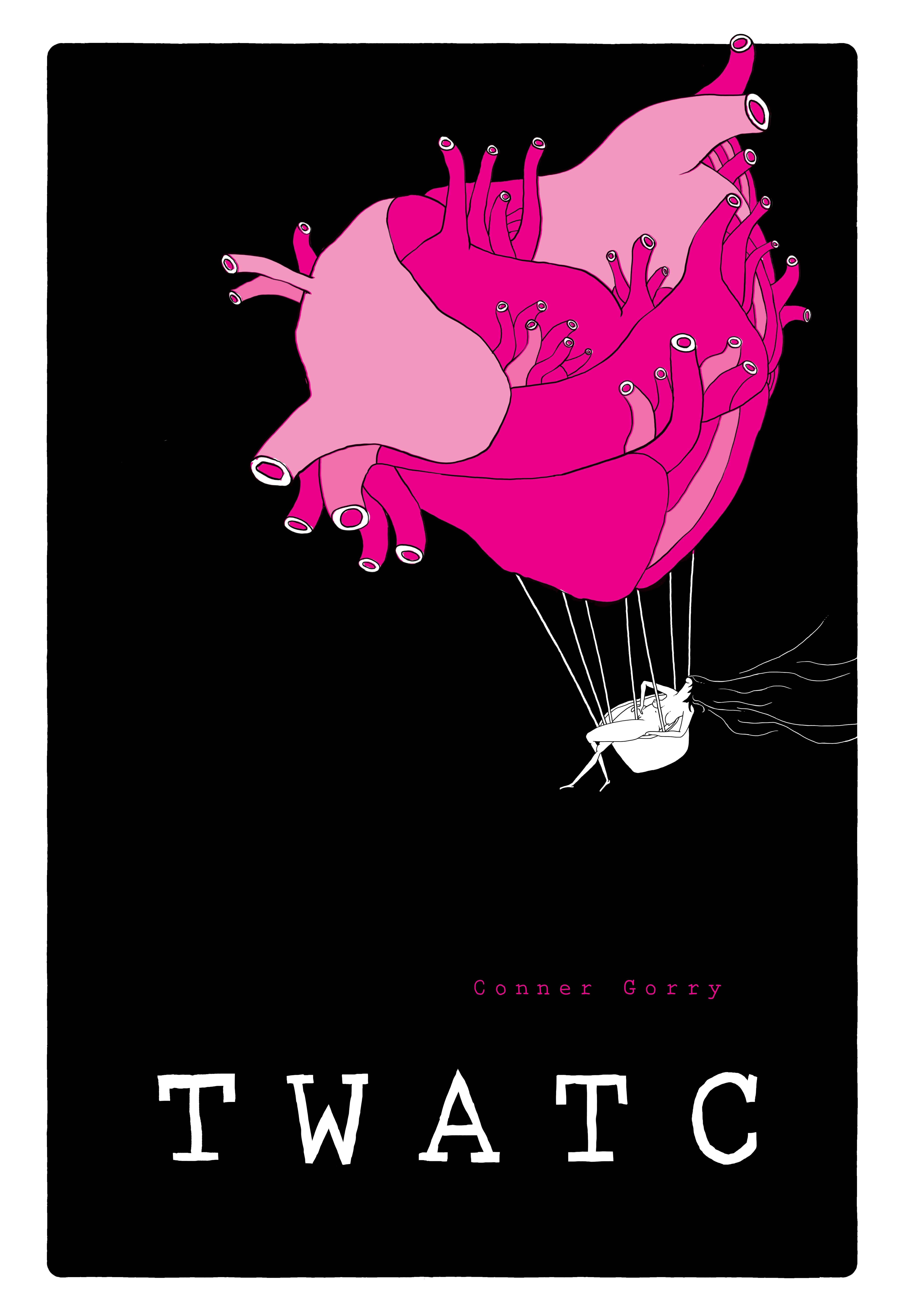
Between founding and directing Cuba Libro, health reporting and keeping my family fed, clothed and housed, I wrote a new book. I don’t have much luck with my books. This is largely due to my lack of a knack for marketing. My poetry and prose collection TWATC is awesome. Unfortunately, I couldn’t manage selling it on Amazon from Cuba and the few copies I brought in my luggage are now with Cuban friends. The coffee table book I wrote on Cuba’s classic Harley-Davidson’s, with photography by Max Cucchi, is one-of-a-kind gorgeous and beautifully written if I do say so myself, but had no marketing or distribution budget. To boot, it was printed in Germany so few copies reached US and Canadian shores where its natural market lives. We have higher hopes for the second edition, now in progress, but still lack a publisher. Please drop a line if this is you!

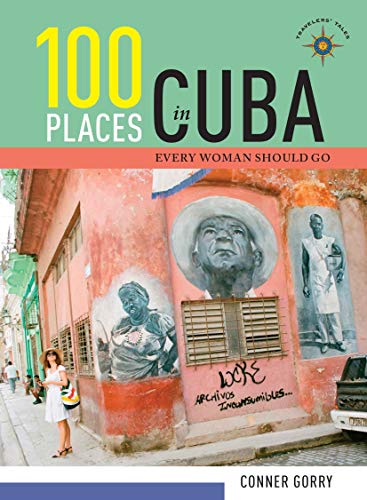
I was more optimistic with 100 Places in Cuba Every Woman Should Go. I was approached and courted by a major travel book publisher. I was given all the creative freedom I wanted. When I asked: why only women?, I was assured that this is just a marketing niche and tactic. The publisher encouraged me to promote my passions while exploring the state of Cuban women, their contributions to and struggles within contemporary society. This was to be the travelogue of my dreams, chock full of solo travel, family travel, remote travel and secret spots. The publisher was supportive. The advance was decent. I was in. I was excited.

The research process was packed with natural wonders, wonderful people and electrifying road trips on a 1949 Harley. My admiration for my ‘media naranja’ (travel partner and co-conspirator)deepened. I discovered off-the-beaten track pockets and learned something new every day. I’ve been out of the travel guide writing game for a while, but this was no ordinary guide and I exalted in writing it.

Editing was a breeze and I was pleased with the cover choice (rarely the case and not just me: on your next outing with writer friends, ask about cover selection—it’s a tricky and sometimes nasty business). I hired a publicist. I wrote marketing copy. I contacted reviewers and press and mailed them copies at my own expense. I took to social media. I was energized. I was hopeful.

Then Trump happened, flogging Cuba with stricter sanctions thanks to his quid pro quo with those wacko Floridians. Under Trump, US folks could no longer travel “legally” to Cuba. The media added fuel to the fire. US visits to Cuba plummeted. Then the global pandemic happened and international travel ground to a halt in a way we’ve never before seen.

Perfect timing: my book had just been published. Now it molders. Too few copies have sold to even pay back the advance so in essence, this book has landed me in debt. I love this book. Many people have written me telling me they love this book. Writing 100 Places was another transformative experience that will forever live in my memory. But you can’t eat memories. You can’t pay electric bills or the phone company or rent with memories. 

The whole thing makes me sad and wary. Sad because I truly believe in this book and it’s not reaching enough people. Wary because I’m embarking on a new, bigger, scarier book: a memoir (of sorts) about learning to be Cuban. For this one, I promise to be better at tooting my own horn. 

21 Comments

Filed under Americans in cuba, bureacracy, Busting myths about Cuba, Cuban economy, Expat life, health system, Here is Haiti, Living Abroad, off-the-beaten track, Travel to Cuba

Your Live Donkey, Reporting from Havana

Remember the good ole days of the ‘coronacoaster,’ riding the ups and downs of 2020-2021 and looking forward to better times ahead? That was some aspirational thinking. Delusional even. Now, rather than breathing a little easier, it feels like we’re hanging on for dear life, hoping the coaster correctly banks that terrorizing turn. If it doesn’t? We’ll soon be careening off the rails, flying into the abyss.   

Ringing in 2021, we had vaccines rolling out (or rather, some of us did—vaccine inequity is genocidal, but that’s another story). We reunited with our loved ones (or rather, some of us did). We had some hope, false hope, but still: false hope is better than no hope I’ve come to realize.

Last year we talked about “after the pandemic.” How foolish. How grammatically incorrect. That whole time we were using the wrong preposition. There is no life “after” the pandemic, only life with the pandemic. And just when you think it can’t get any worse, hang on baby because it certainly can.

Enter Omicron. Por díos. Redact “false hope” for “no hope.” Too cynical? Perhaps. Too dramatic? I am known to skew cynical and dramatic (ahem), but these past two years have been stranger than fiction…

Here’s a quick list (quick because each entry warrants its own post), of what is adding fodder to the dumpster fire. These are arranged in no particular order save for progressing from the collective to the personal,.

For all of you hoping for good news from Havana, you’ve come to the right place at the wrong time. I promise to share all kinds of uplifting (and exclusive) information related to my passion project, but that will have to wait. The silver linings, the Cuban vaccines, the possibility (finally) of the country legalizing gay marriage—all of this will have to wait because the past two years have been especially shitty in Cuba. And not just due to SARS-CoV-2.

Reordering of the Cuban economy: File under: Disaster, Possibly Fatal.  Official reports from end-of-year analysis show 70% inflation in the formal market, and more than triple that in the informal (AKA black) market. It’s a total shit show.

N27, J11, N15 and any other letter/number combination I may have missed: I’ve written about ‘the troubles’ (to borrow the Irish euphemism) here previously and I don’t feel the need (nor the desire, frankly) to re-visit at the moment. But trust me: we haven’t heard the end of this.

Me Too: Not yet a movement, but thanks to 5 very courageous women who went public in December about a known, repeat sex offender, the long-overdue reckoning about sexual harassment, violence and abuse in Cuba is (nearly) upon us. Heads will—and damn well should—roll. Can’t happen soon enough.

Death, hunger and disillusionment: It’s pretty well generalized no matter where you live, but the combination of COVID and Biden with his sanctions against the island (see descarado/comemierda/hijo de puta in the dictionary of Cuban slang) is inhumane. Not to mention insane: the idea that the blockade hurts the government and not the people is demonstrably false. I tire of such idiocy.

Now for the personal part…

Death, hunger and disillusionment: In the latter half of December 2019, my mother died suddenly, unexpectedly. We suspect COVID, not yet detected in the USA, but late 2019, in NYC, in a woman who regularly attended the movies, live theater and ate out? Entirely possible. Regardless, her death ripped my family asunder. Anyone who has lost a parent, child or loved one suddenly knows the lingering sadness and loss of true north this signifies. To all of you: my deepest, most sincere condolences.

I’m an infamously hangry person—it goes back to food insecurity suffered as a child. And while I’m seriously privileged compared to others in the food department, that’s not saying much these days here.  Food insecurity suffered in one’s formative years is similar to profound grief in that it lingers and ghosts; anyone who survived the Special Period can relate.

Disillusionment is new for me and many people here, too. Cuba is in terribly deep waters—economically, socially, spiritually. Créeme: we are feeling it. I’m feeling it. If I can muster the motivation and rally the energy, I might write more about collective/personal disillusionment. But don’t hold your breath.

Keeping Cuba Libro afloat: The only people who can truly understand the frustrating, infuriating and constant struggle it takes to keep a small business alive during the triumvirate of Trump/Biden sanctions, COVID and the reordenamiento, are other Cuban small business owners and workers. I can’t tell you how many times I’ve considered closing shop over the past two years. But the Team can. My partner can. Without them, and without the support (financial, spiritual) from our friends abroad, we would already be history. And we aren’t out of the woods yet.

Toby is sick and isn’t getting better: Although childless by choice, when we rescued Tobito in 2014, he became the hijo I never had. In October, he started breaking out in nasty, bloody pustules. We went to the vet (this is another disastrous dirty secret here, often unethical too, about which I will rant later), did the labs, procured the medicine through sheer solidarity, applied the method religiously…and he continues to worsen. Getting a second opinion has proven impossible. I’m distraught and desperate and don’t want to talk about it.  Until (and unless) the story has a happy ending.

Job insecurity: Thankfully I still have my day job as a health reporter and editor for MEDICC Review, but that too is a double-edged sword: every day I wake to an inbox full of COVID-related news—local, regional, national and global. My livelihood depends on keeping up-to-date and writing about the pandemic. Given these circumstances, it’s hard to shield myself from the hard realities. And it’s part of the reason I haven’t written anything else in nearly two years. I tried to pitch. I’ve tried to write, but my muse is dead or on life support. I’ve considered issuing a DNR, considered giving it up altogether. It’s not a good scenario.

I could go on. I could tell you about the anxiety of living here amongst overly socialized Cubans without having a COVID booster or the dear friends who’ve left the country, leaving gaping holes in my support system. I’ll spare you the details of a friend who died in a tragic motorcycle accident one month ago today and the marital discordance 2020/2021 has engendered. The health issues. The shortages. The short fuses. It’s all a tinder box.

I feel my bravery waning and my defenses grow weak. My resiliency went the way of the 10 peso pizza. I’m reminded of Ernest Shackleton who said it’s better to be a live donkey than a dead lion. I would be lying if I told you it hasn’t crossed my mind to pack up and leave, to embark on a new adventure, in different latitudes. If things continue to deteriorate, I just might, preferring to be that donkey than that lion.   

27 Comments

Filed under Cuban customs, Cuban economy, Cuban Revolution, Expat life, health system, Living Abroad, Travel to Cuba

Cuban Dumpster Fires #42-46: COVID & The Blockade

Things aren’t going well in Cuba In fact, the situation is peor que nunca. Rolling blackouts, the antiquated aqueduct system busted, leaving huge swaths of Havana without water, the country is posting record numbers of COVID infections and there’s no pork, rice, coffee, salt…

In short, our world is rocking.

Which means my world—this inconsequential space-time blip I occupy with friends, family and a few random undesirables—is also rocking. Upside down and sideways. It’s COVID. It’s the embargo. It’s the forced separation the combination engenders. If you’ve got any Cuba connection, you know we’re in a long-running, island-set shit show with dumpster fires peppering the stage. The flames rage while bystanders burn.

And I’m sidelined, unable to dowse or dampen the conflagration: I was obligated to leave Cuba two months ago.

My passport sat in a drawer for the whole of 2020 while I faced other calamities and grief. Discovering it a few weeks before expiration was a fluke—like when you look at your lover’s phone for the time to see their gym partner sexting. A fluke that makes you want to puke, that is to say.

Panicking, I turned to the US Embassy in Havana. Por gusto: it was closed in 2017, thanks to You Know Who (in Cuba, consular services were cancelled before COVID-19—a petty and pathetic maneuver, even for this day and age). I called the Embassy and got a recorded message. I sent an email as directed. I received a boiler plate email repeating what was on the phone message and website. For the first—and only—time in my 19-year stay, I presented myself before the Embassy’s 20-foot steel gate. The nice Cuban guard told me to send an email. The bureaucratic loop—call, email, wait, repeat—triggered rage, tears, and feelings of helplessness tinged with entitlement (‘I’m a US citizen god damn it! How dare they strand me like this!’). From her solitary lockdown in Minnesota, my sister called the State Department in DC. No dice. She called the passport office. Ditto.

Dumpster Fire #42 starts smoldering…

And please stop screaming ‘mail it in!’ at your screen: direct mail services between the USA and Cuba, normalized under Obama, are also reeling from the COVID/Humpty Trumpty one-two punch. Besides, would you trust your passport with a foreign mail service during a global pandemic? Or with the gutted, beleaguered US Postal Service?

No Embassy and no mail left me two choices: let my passport lapse or get off the island. I opted for the latter.

Cue Dumpster Fire #44 (I’m choosing to elide over #43 which saw me sobbing on the floor, Toby sniffing at my snot-encrusted face)…

The problem? Cuba was (and is still) closed to almost all air traffic due to an explosion of post-holiday COVID infections; just two flights a week have been flying between our two countries for months now. And they’re booked through August. With mere days left on my passport, my sister (who has a knack for travel), scored me a seat on the oversold, once-a-week JetBlue flight. With a festering case of gastritis, plus sleeper case of hypertension, a panicked clinic visit for a PCR test, and harried kisses for my guy and dog, I left.

_____

Being on far away shores after fighting tirelessly, surviving heroically, and loving fiercely sucks and hurts, giving rise to a toxic cocktail of guilt, relief, nostalgia, and yearning. Not to mention an unhealthy dose of frustration-laced anger. Some of you know of what I write.  

But to hell with the guilt and pain, and idealized nostalgia: I keep on fighting. Unless I’m curled up in a ball bawling (AKA Dumpster Fire #45 & #46), I keep on fighting—to honor mom’s memory, to help my Cuban friends and family, to remain on the side of the just. I keep fighting to maintain sanity, to keep money coming in and out of trouble/jail, to make sure my loved ones stay fed, housed and connected to the Internet. I fight, uncurl myself from that ball, and clear away the tears to face a new day.

Today.

One day at a time.

Fakin’ it till I make it.

I take solace in 12-Step mantras—not because they helped me get (and stay) sober, but because they keep me off the Cuba/COVID/Conner-at-51 ledge. I’m still an addict, but to other things, like work and cigarettes and coffee (the introvert trifecta!) and these have kept me alive and as-well-as-can-be considering the circumstances. As I contain my conflicting emotions and try not to lash out at loved ones, this is what that looks like: 

*Writing ad nauseum about COVID: I often counsel a news blackout or media vacation as a mental health tool for our modern world. But there’s no rest for a health reporter during a global pandemic. Just in the past few months (to say nothing of 2020), I’ve been neck deep editing and re-writing manuscripts about Cuban kids with long COVID and related cardiovascular problems; neuropsychological effects of COVID; and the sickening politics, inequities and egoism of our pandemic-plagued planet. And the hits kept on coming after I was assigned two interviews on the “mono-topic:” with the directors of Cuba’s Center for Clinical Trials and the Molecular Immunology Center, which produces the recombinant RBD for Cuba’s COVID-19 vaccines

As I clocked a week of 14-hour days wrapping my aching head around pandemic-related issues, I was asked to revise the English-language insert for SOBERANA Plus, Cuba’s vaccine for convalescent COVID patients.

Important? Yes. Fun? Not at all.   

*Going deep on the US blockade: Many big and little things are crumbling as a consequence of COVID-19: marriages, mom and pop stores, traditional greetings like our customary kiss on the cheek. Unless these macro and micro implosions affect us personally, they go unnoticed. So it goes with OXFAM, which closed 18 offices around the world, including in Cuba. After 27 years of bolstering food security and sovereignty, strengthening gender justice, fighting climate change, and reducing disaster-related risks, this is a huge blow to the innumerable Cubans who’ve benefitted from OXFAM support and programs the past three decades. OXFAM Cuba’s parting salvo is The Right to Live Without a Blockade, a report on how US sanctions hamstring Cubans’ right to live, learn, grow, develop and dream on their own terms. The report was co-written by moi, along with a multi-talented team. The official release date—in Spanish and English—is May 27. Please help us spread the word!

*Conner says what?!: I was red tagged and sent to detention for my big mouth as a kid. Nowadays, folks are bombarding my socials with all manner of Cuba-related interview requests: women’s issues, LGBTQI+ rights, how my reed-like figure doesn’t excite Cubans, and the embargo, of course. I was reluctant to talk about my expiring passport situation with the New York Times but despite these misgivings, I did—it’s about the message, after all, not me.  The message? The State Department doesn’t give a flying one about US citizens living abroad—rich business people excepted, of course.

***BREAKING NEWS: The NY Times article by Debra Kamin referenced above got the State Department off their duff and (some) US citizens with expired passports can now travel back to the US. Better late than never! Not for nothing: Cuba started it’s paperwork/passport/visa deferral plan at the beginning of COVID-19.

*Popping my Zoom cherry: Living in Cuba, where Zoom is blocked by the US embargo, I skated through 2020 with nary a video meeting, interview or webinar. But as the pandemic drags on and we all struggle not to be dragged down with it, the invitations are pouring in. Despite my technological struggles (VPNs, expensive data, blackouts), I popped my Zoom cherry as a speaker on the Canadian Network on Cuba’s panel to raise funds for medical donations to the island. I found it enjoyable, uplifting even (it was my first one, after all!). If you’re looking for a concrete way to help Cuba confront COVID, I suggest donating to this initiative or the multi-organizational drive to send 3 million syringes to the island for the whole population vaccination effort now underway.

Next up was a webinar series among health experts and virologists from Cuba and the University of Minnesota to share experiences and ideas about effective COVID strategies and policies. Thankfully, US scientific and academic communities are open to collaboration and exchange: another webinar series launches on June 8 between Cuba and the University of Alabama.

*Struggling to be a “real” writer: Pop culture, slang, evolving vocabulary and concepts: a lot of it passes you by when you live abroad for long periods of time, when you’re not on the ground, watching things unfold and taking part. Being woke, Karens and Beckys, the drip, Tuca & Bertie – I didn’t know jack about any of this until I researched or was schooled by friends. So it was with Imposter Syndrome, a term I’d never before heard but from which I definitely suffer (though I’ve always called it good old-fashioned self-hatred). I don’t consider my blog “real” writing. It may be thoughtful and well-crafted, but it doesn’t pay (that dogged yardstick by which too many of us measure worth and success), hasn’t led to any assignments or gigs as far as I know, and doesn’t have a broad audience. It has value, of course, mostly in helping me maintain a semblance of sanity and breaking down myths about Cuba, but it ain’t great literature, investigative reporting, or emotive memoir—the type of writing I dream of publishing.  

And then I wrote a blog post that sent readers swooning; friends, strangers and writers I admire wrote in with accolades and support. They urged me to add a bit of context, flesh it out some, and submit it to major publications, the likes of which triggered some real imposter doubts. The Atlantic, The New Yorker, the New York Times—other level shit for a not-very-real writer. ‘Possible?’ the imposter in me wondered. And what about my tendency to “punt,” as a wildly accomplished writer observed of my tendency to stick to safe terrain and retreat in the face of rejection? Criticize me and I recoil like a set of testes in an Icelandic lake, but once I regroup, I double down. So I rewrote, restructured and retitled that post and am making my way down the list of possible outlets. I’m only two rejections in…stay tuned!

*Saving Cuba Libro:  Something else I’ll have to write about in a “real” way sometime are the last eight years of my life, consumed by this community project I founded. Our philosophy and programming have touched so many, altered life trajectories, and improved well-being. Mine included, though it’s such a struggle it often feels like keeping Cuba Libro alive just might kill me. At no time has this been truer than 2020-2021.  Over the past 14 months, we’ve been able to operate for just two. That’s 14 months of rent and utilities, 14 months of buying overpriced coffee, milk, fruit, syrups and sugar and nearly 14 months of maintaining salaries for our seven full-time staff. To keep busy, we’ve redesigned our space for social distancing, developed new recipes and a new menu, installed a freezer, implemented a reservation system, improved our garden, forged new collaborations, and stepped up our digital image and game.  

None of this would be possible without our seat-of-the-pants fundraising and the generous, unflagging support of our global community. I remember when we were redesigning the space for social distancing in May 2020, we discussed this “temporary” situation, that in three months we’d be able to go back to the “old” café design and earning model. Ha! Here we are over a year later, still closed, still begging for support. It’s depressing, debilitating and deflating, but we soldier on. We sally forth. In that vein, we’ve launched two new initiatives—tax-deductible monetary donations to our 501(c)3 non-profit Friends of Cuba Libro and 100% original, Cuban-designed merch in our Red Bubble store. And on June 3, Dr William Ross (voted Favorite Customer by Team Cuba Libro in 2019) is hosting a fundraising webinar with me (and whomever can connect from Havana), En la Lucha: The Cuba Libro Story. Please tune in/share if you’re able.

Times are terrible in Cuba, I can’t lie. Empty stomachs, limited horizons and broken hearts are foisted upon us thanks to US sanctions, the global pandemic and the island’s inability to withstand the current context for much longer. Our safety net is dangerously frayed. Friends and loved ones plot escape. Indeed, by the time you read this, one of our dearest friends and most ardent supporters will have emigrated. I didn’t get the chance to say goodbye.

I’ve got my new passport, but thanks to the embargo, pandemic and politics, I’m stuck in the Estamos Jodidos until further notice. Coño.

9 Comments

Filed under Americans in cuba, bureacracy, Cuban economy, Expat life, health system, Living Abroad, Travel to Cuba, Uncategorized

Travel to Cuba, Trump Style

I’ve got some shit to get off my chest so best buckle up. Pour a stiff one, bust out the vape or tuck in with a nice, hot chai – whatever helps you chill and focus.

A lot has been written about Trump’s “new” regulations regarding “legal” travel to Cuba for US citizens and residents. The long and short of it? ALL of you can still come to Cuba. Please share this link; together we might be able to cut through the scare tactics and “alternative facts” floating about. Unfortunately, the scare tactics work, no matter that – I repeat – ALL of you can still come to Cuba.

And while for many of you this may be an abstract policy affecting a faraway land, for us, it’s human suffering on a national scale. It’s small businesses, once thriving, now shuttered. It’s families going hungry(ier). It’s hopes and horizons dashed. It’s exposure to new ideas (on both sides) now censored.

Some people are still coming to Cuba, but often, it ain’t pretty. What follows are all recent experiences we’ve had at Cuba Libro:

The “Influencers”: You know who you are. Perhaps you don’t know what you are, so I’m here to “bell the cat” as we say. Vapid. Banal. Opportunistic. You’ve heard about Cuba Libro on the news; you’ve seen our scene on social media; you’ve verified that we’re among the top 5 things to do on TripAdvisor; and you realize we’re one of the most authentic, chill places in town. So you come in, talk to no one, rebuff our friendly staff and snap some photos. You exit. You’ve experienced nothing. You’ve contributed nothing (your influence isn’t quite what you’ve been led to believe). You’ve missed the point – of Cuba Libro specifically and Cuba in general. Uncool.

The Cheapskates: We see it every day. You lounge in our garden, reading, drawing, meeting new people, petting Toby. You’ve pumped us for useful information – where to eat, where to dance, how to connect, how to get around. You’ve enjoyed the best/cheapest cortadito in town, while swinging in a hammock with the dulcet tones of Billie Holiday or the deep grooves of Cimafunk as soundtrack. After a couple of hours, you request the check, are charged 90 cents and pay with 1 CUC (or a 20 bill – happens all the time. We’re not a bank people.) That 10 cents change? It goes right into your pocket. As one of our veteran barristas observed: Do they think Tip is a town in China? Also uncool.

The Insulters: You are cousins to The Cheapskates, but take it to a new level. Witness a Certain US Tourist from Last Week: she rolled up in a classic car and nary looked askance at our friendly server’s offer of a menu (in this case, me).

‘I have my driver waiting,’ she said with a wave of her hand. Instead of relaxing with a refreshment, she asked if we sold ‘knick knacks.’

I explained that our strength is coffee and literature, but I showed her the pins made by a local artist that we have for sale. Something you can’t find anywhere else and made with creativity and care. I told her the price for each pin – $3CUC. She looked them over. She hemmed. She hawed.

‘We have some others in the office. I can get them if you like.’ I offered her a seat and spread out the other pins. She looked them over. Some had become rusted and spotted, victims of our oppressive humidity.

‘If you like one of those, I can sell them to you at cost – $2CUC. This is what we pay the artist.’

She fingered several. She hemmed. She hawed. ‘I like these,’ she said, indicating two. ‘Can’t you sell them to me cheaper?’

‘?!?!?!?!’

‘I’m sorry but $2CUC is what they cost us.’

She left in a huff.

The Abhorrent/Entitled: She strode in, butt cheeks peeking out from her too-short denim shorts and made a beeline for the living room couch.

‘How many CUC should I get for US dollars?’ she asked in rapid-fire Stateside English.

The four young Cubans enjoying their coffee exchanged glances during the ensuing awkward silence.

‘Eh, ah….’ one said, no one with sufficient English to answer.

I turned from shelving books to help out, quoting the official USD-CUC rate.

‘Oh! You speak English! Where can we get beef here? Or chicken? It’s all pork, pork, pork.’

I directed LaTonya (my pseudonym for this fauna) to the fried chicken joint around the corner. She thanked me but not before asking me about ‘that alley where there’s all kind of art and religion and stuff;’ this is Latonya’s second trip to Cuba to ‘buy cheap art and sell it for a lot of money in Amerika.’

Before heading off for some pollo chifla’o and Callejón de Hamel, she decided to sit in our little copse at the entrance – ‘the jungle’ in Cuba Libro parlance – to have a cool something to drink. I asked Alfredo to give her a menu and resumed my conversation with Maria Teresa at the dining room table. After a beat or three, Alfredo walks in, throws the menus down in front of us and declares: ‘I’m not serving her. Sorry, but that’s just disgusting!’

‘?!?!?!?!’

Maria Teresa and I give him the ‘WTF happened?’ look.

‘That girl just hawked up a ball of phlegm, leaned over and spit it at the entrance to the café. Not in the bushes or a plant – she’s only surrounded by them! – but right where people walk in. Not once, but twice. Who DOES that? I’m not serving people like that.’

‘All right. I’ll handle it. Not to worry.’

‘You’re so Zen right now!’ Maria Teresa, who knows me well, observed.

‘Yeah. I don’t know what’s come over me today.’ In reality, what was I going to do? To clean up that public health threat, I had to bust out the bucket and broom and swab down the entire entrance, right where she was sitting. I’d do it once she left.

Maria Teresa and I continued our conversation while Charlie whipped up LaTonya’s frappuccino. I served the drink and returned to the table. Talking to Maria Teresa about our next special event (Cafe Trivia Thursdays, she’s the Coordinator), I catch a movement out of the corner of my eye.

It’s LaTonya exiting the bathroom and cutting through the kitchen where Charlie is preparing another frappuccino.

If you’ve never been to Cuba Libro, let me explain that the kitchen shortcut is a) totally verboten – do you waltz into kitchens in other establishments? and b) really uncomfortable since there’s only room for two people (or three, if you’re like us, like family) in the very narrow NYC-style galley kitchen. But this lacra walks right in, grabs a cup off the drying rack, jams her hand into the bag of ice Charlie is manipulating to make the next order and grabs a fistful of ice. This is a person, you’ll recall, who has no compunction about spitting balls of phlegm inside a business and right in the path of patrons – AND has just exited the bathroom. We’re guessing she’s not a meticulous post-piss hand washer…He immediately threw out that bag of ice.

More ‘WTF?!’ looks go ‘round, this time with Charlie joining in.

Before finally departing, LaTonya shattered the frappuccino glass (accidents happen, but hell, girl) and paid for her beverage in US quarters – totally useless here since they can’t be changed in banks. And just our luck! She’s staying right up the block. Fortunately, on subsequent visits, she took her drinks to go. We were more than happy to oblige.
_____
Let me be clear that not all visitors are like these –we recently hosted an amazing quintet from Dallas (thanks for the donations and the tip, Randy and crew!); a family from Oregon in the care of Soltura Travel; some kindly queer folk from Canada; and more. And we need people coming to Cuba, no doubt about it. I commend those that do.

But to all the Influencers, Insulters, Cheapskates, and Abhorrent/Entitled travelers out there, here’s some advice for when you come to Cuba/Cuba Libro:

– Treat people you meet with respect;
– Experiential travel is much richer and more rewarding than its voyeuristic counterpart;
– When you’re hosted at someone’s home or business, treat it as you would your own; and
– Tip your servers, damnit! We don’t live on air and good humor alone.

23 Comments

Filed under Americans in cuba, Cuban economy, dream destinations, Expat life, Living Abroad, Travel to Cuba

Periodo Especial: The Sequel?!

I don’t know how the Special Period felt coming on, but I do know how it manifested once in full swing. Transport was so scarce and overcrowded, passengers lunged from bus windows at their stop or simply rode on the roof, hung from the door frame or clung to the back bumper.

Each and every day, the entire island was plunged into darkness; blackouts were so long and common, Cubans, plumbing their deep well of ironic optimism, began referring to ‘light ups,’ those times when there actually was electricity. So few and far between were those electrified hours, neighborhood block parties were held in the street, around a bonfire with a jug of rum (or more often moonshine known as ‘chispa‘e tren/baja tus bloomers’).

Toilet paper was non-existent – we used water or more often, pages ripped from the Granma newspaper. In many homes, squares the size of real TP were cut from the paper and stacked neatly atop the toilet tank. I wasn’t too put off by this. As a life-long camper, I’ve wiped my butt with all manner of material. Nevertheless, I do remember my shock at seeing Che’s face, shit-stained and crumpled, staring up at me from the bathroom wastebasket. It seemed blasphemous then but practical and normal thereafter – in dire/adverse circumstances, you do what you gotta do to survive.

And Cubans did.

They pedaled the 1 million Chinese bikes imported as transport of last resort. They fried “steaks” from grapefruit rinds, they fanned infants for hours with a piece of cardboard during stagnant summer nights. They lost weight, some suffering a neuropathy epidemic for lack of nutritious food. They rigged up kerosene burners for cooking and fashioned homemade matches. They struggled and suffered, finding solace in family, days swimming at El Espigon and nights stretching out on the Malecon. They danced, sang and fucked. They persevered and survived…

Flash forward to 2019. We’re in a different historical moment, a different context than the one I experienced in 1993, but the effects of the Special Period linger, if you know where to look. Not wanting their kids to ever go hungry like they did, parents indulge appetites to the point where child obesity and overweight are current health problems. Bicycles and cycling are stigmatized, reminding people too viscerally of those hard times. Today, hoarding happens and some still prefer newspaper to toilet paper.

The cleverness of Cubans and their deep stores of creativity and inventiveness honed during the Special Period are constantly on display. You see it in the 70-year old Harley-Davidsons zooming down the road, parts hand-hewn in cluttered, greasy garages across the island. You see it in the Russian washing machines cannibalized to make lawn mowers, blenders and coconut shredders. You see it in the burgeoning upcycle movement where the experience of struggle is translated into décor and dollars.

But no one, I mean no one wants to go through that again. And I highly doubt as many Cubans who tolerated it then would now – at least not in Havana. Make no mistake: Cuba learned its lesson from the implosion of the Soviet bloc, which sent the dependent island economy into a tailspin. It diversified, it liberalized, and it looked for and forged alternatives. But we’re seeing signs, folks. We’re not out of the woods yet, not by a long shot. And it’s worrying.

Indeed, the most violent factor was – and is – beyond Cuban control: the nearly 60-year old US embargo cripples all economic and social development in one way or another. And last week the Trump Administration announced it’s considering enacting Title III of the Helms-Burton Act. I’ll leave a full explanation to the economists and wonks, but the important point is: as in 1996, during the deepest days of the Special Period, Jesse Helms and Dan Burton pounced on Cuba’s vulnerability and pushed this Act through Congress “to seek international sanctions against the Castro government in Cuba, to plan for support of a transition government leading to a democratically elected government in Cuba, and for other purposes.” Sensing that same vulnerability like a lioness stalking the weakest of the pack, Marco Rubio is exacting his quid pro quo with Donald Trump via Cuba and Title III.

It’s abominable how this administration is destroying lives at home and abroad. It’s no less shameful how supposed political detractors enable this cabal. Please, anyone in a policy/decision-making position reading this: do the world (and yourselves) a favor and grow some balls/ovaries; history will judge you and you will NOT be absolved.

Unfortunately, I doubt anyone reading this is making US policy. I also doubt that many people reading this realize just how vulnerable right now feels. Major trading partners and allies including Venezuela and Brazil are on the ropes. Trump rhetoric is scaring away investors and tourists. The embargo is still in place and we’ve suffered Hurricane Irma, Sub Tropical Storm Alberto, a devastating plane crash and a tornado, all in the past 18 months.

And we’re feeling it.

There was a massive flour shortage and though we are once again enjoying flour and pizza, there is neither milk (terrible for Cuba Libro) nor eggs. These latter were dubbed salvavidas in the Special Period days because eggs are a cheap, easy-to-prepare source of protein. They were, and are, ‘lifesavers.’ In the past three months, I’ve eaten a total of half a dozen eggs; it used to be a daily (or even twice a day) affair. Monthly egg rations have been cut in half to five per person, per month and when they do appear in stores, customers are limited to two cartons of 36 eggs each. But this is Cuba…

This week, my friend Camilo got word that eggs were being sold at the Plaza de Marianao. He made the trek across town and took his place in the long line. He watched people carting away 6, 7, 10 or more cartons of eggs. The stack for sale behind the crumbling counter shrank. He surmised the egg sellers were paid off to ignore the two-carton rule. The sun beat down, the stack shrank, Camilo was sweating from the heat and attendant low-level panic. Would the eggs hold out until his turn came around? He had waited in line already for two hours. The stack shrank. He asked one of the customers pulling a dolly away with over 400 eggs if he would sell a carton?

‘!Hombre no! This is for my private cafeteria. I need every last one.’

The eggs ran out and Camilo left empty handed. Mad and desperate, he went to a cafeteria near his house to order two egg sandwiches, hold the bread, hold the oil, hold the making of it. When he discovered that same sandwich which used to cost 35 cents, now costs 75, he slumped home egg-less. Today we’re scrambling to procure eggs for Jenny’s grandmother who, ailing and frail, has been prescribed a special diet by her doctor, including two eggs a day. So far we’ve been unsuccessful.

Then there’s the cooking oil situation. Shortages nationwide mean customers are only allowed two bottles per person. To procure those two precious bottles, you have to travel to the store that has it (lucky you if it’s actually in your neighborhood) and spend hours on line under a blistering sun just like my egg-less friend Camilo. As a result, many people I know spent this past weekend rendering chicken and pork fat so they won’t get caught (too) short.

Shortages of flour, eggs, oil – this post was simmering in my overworked brain for a bit but didn’t come to fruition until last night when the smell of gasoline permeated my living room. I emerged from the egg-less, flour-less kitchen (we don’t fry much and our current bottle of oil is a month old and still half-full) to see what was up. Twenty liters of premium gas now sits in a tank in said living room because people see the writing on the wall: gas hoarding has officially begun.

Blackouts are happening too – not as long or as often as I experienced in 1993, but worrisome still. And the economy overall is showing signs of serious distress. Last year the national economy grew a meager 1% and projections for this year are similar.

We may not be headed for a Second Special Period, but things feel tense as we plod through this year, Havana’s 500th anniversary.

Happy Birthday, ciudad querida. I hope smoother sailing awaits.

27 Comments

Filed under Americans in cuba, cuban cooking, Cuban economy, Cuban Revolution, Expat life, Living Abroad, Travel to Cuba

Cuba Libro – In Peril?

I’ve always had an inkling, but now I know up close and personally why people shun and malign journalists. This new knowledge is particularly ironic given the fact that I’ve been a full-time, accredited journalist here in my adopted home for more than 15 years. I would say my recent experience was also particularly instructive if it hadn’t been so damaging – I have to douse smoldering fires before I can fully learn the lesson provided by recent events.
_____
One Cuba Libro phenomenon (among many!) which taxes our team and especially me personally, is the random, drop-in journalist. Normally, these are foreign correspondents, some with exceptional, deep experience around the world, in war zones even, who come to me in a panic, behind schedule, deadline looming, fairly pleading with me to provide story ideas, contacts, leads and the like. More often than not, they don’t speak Spanish, further complicating matters. Always they underestimate the difficulties of reporting from Cuba. They may or may not have the proper visa. These types of unexpected visitors spike when there’s a major news story like Fidel’s illness/death; a papal visit; or constitutional referendums (happening right now, as I write this).

A flood of such reporters descended upon us when the normalization process with the US was announced in December 2014, followed by the Obama visit a few months later. To the drop-ins must be added the phone calls, emails and Facebook messages I receive requesting contacts and/or interviews with me. It saps too much time and energy truth be told.
To handle this efficiently and with a modicum of aplomb, I’ve developed filters and a triage system for these folks. The ones without journalist visas make it easy – I don’t talk to them. They’re breaking local laws. Those with an axe to grind also don’t make the cut (I’m still quite old school, believing in objectivity, accuracy and the Fourth Estate when it comes to reporting. How antiquated, right?), nor those who haven’t properly prepared. That leaves those who have the authorization, a clear idea of their angle, and the maturity and organization/preparation to warrant my help. Sounds haughty, I know, but I’ve clocked a decade and a half of in-the-trenches experience – I’m not giving that away free to just anyone.

Then there are the Cuban journalists…

The filters still apply to them but I must admit I have a soft spot for the young cub reporters with bright ideas and insatiable drive. Everyone needs a hand when starting out and unless they’re really off the rails or egregiously misrepresenting reality (including by omission), I will sit down and talk to them.

Which brings me to the subject of this post.

It wasn’t the first interview I granted to El Toque. Staffed by young Cuban journalists, this is a locally-produced, non-state news site. It has its flaws. And it’s on a learning curve. A steep one. But when they approached me to talk about Cuba Libro’s green initiatives for a series on the environment they were publishing, I was game. Encouraged even – Cuba has made strides in environmental protection since I moved here, though I see egregious digressions every day still. If you’ve been here, you’ve seen them too. So I sat down with fulana (Cuban for Jane Doe – I honestly don’t know her name) and gave her an overview of our policies and practices promoting environmental protection.

I never saw the resulting article. Along with thousands of Cubans, my internet connection is via 28.8 dial up. I don’t have the time (or inclination) to spend an hour accessing everything written about me, my writing, or Cuba Libro.

My bad.

When fulana crossed our threshold last month requesting an interview about the new regulations for private business here, I acceded. I spent an hour talking to her about how we’ll comply and how it’s likely to affect our business model.
This time I didn’t need to tax my paltry dial-up looking for the article.

The Cuba Libros Literary Café [sic] (at least its essence) will disappear on December 7, 2018, when a “series” of new regulations for private business owners come into effect.”

This was the lede, mind you. The piece, published in Spanish, picked up by other outlets and translated into English, went viral. I was bombarded by messages, Facebook queries, phone calls and walk-ins lamenting our closure.

The “journalist” (yes, the quotes are necessary) or editors cut everything I said about long, official meetings to figure out how to remain true and legal to our mission. She cut the explanation about exploring alternatives with the Ministry of Culture and related entities to keep offering superior coffee and English-language literature – what Cuba Libro has been doing since 2013. She failed to mention our community-building and robust, free cultural programming and how we intended to not just maintain it, but grow it. Nor did she include our donation programs, our free condom initiative (17,000+ given away to date), or our ethically- and socially-responsible philosophy which includes profit sharing and collective decision making. She did, however, include a damning quote from a supposed regular who opined that without books, Cuba Libro would be just another generic cafe. No one who works at or frequents the cafe recognized the guy quoted and calling him a regular? Puhlease: all our regulars know about our social mission because they are participants – joining us on our periodic volunteer days, taking advantage of our free English classes, spontaneously planting trees and donating plants as part of our environmental stewardship, or receiving donations of pre-natal vitamins, menstrual cups or cold and flu medicine.

It was impossible for me to contain the damage while the article was posted and re-posted across the World Wide Web in both languages. My internet is too slow, my real work too pressing. Nevertheless, little by little I responded to emails questioning the impending closure of Cuba Libro. Again, I employed triage, posting a response on the most trafficked websites. I clarified the situation on our Facebook page. But weeks on, we’re still experiencing the adverse effects. Our book donations have slowed to a trickle. A customer came in the other day and in a disrespectful manner not uncommon to men (mostly) of a certain age from the developed north, ranted at me, asking me offensive, invasive questions about the economics of Cuba Libro, about why we were closing, about my origins, about my personal life.

“Are you a LESBIAN?!” he fairly shouted, standing so close I could see his nose hair needed a good trimming.
“Are you bi-polar?!” I should have responded, but didn’t, instead opting to hold my tongue.

He interrupted the documentary being filmed in the living room, ignoring our whispered requests to maintain his distance. He was so insistent and disruptive that the person being interviewed had to shoo him away. He got on my last nerve, that guy.

But apparently, there was more in store. At 6pm, on my birthday, mind you, a call came in with a 305 area code. Florida. My biological father (or as my friend Peter says of his: The Sperm Donor) lives in that hell state. It crossed my mind that it might be him, but unlikely – I can’t remember the last time he recognized my birthday. But no, it was worse: a journalist from Radio Martí wanting comments about the new private enterprise regulations. Where did she get my cell phone number I wonder? Fucking El Toque, probably. I wished her a good day and hung up.

In case there remains any doubt: Cuba Libro is neither closing nor getting rid of our wonderful books. See you there one day soon.

12 Comments

Filed under Americans in cuba, bureacracy, Communications, Cuban economy, Cuban idiosyncracies, Cuban Revolution, Expat life, Living Abroad, Travel to Cuba

Inside a Cuban Orphanage

If you know me, you know I get terribly bored (and sometimes in trouble) if I’m not learning anything new. If you know my writing, you know that one of the things I love about Cuba is that I’m learning new things all the time. It’s stimulating, humbling – an eternal education, vaya. A recent experience was particularly educational when Cuba Libro, together with our family of Harlistas Cubanos, paid a visit to the Guanabacoa orphanage.

orphanage

Here’s what I learned:

1) In Cuba, orphanages are not called orfanatos like in other parts of the Spanish-speaking world. Here, they’re called casas de niños sin amparo filial (literally children without family protection; more proof that Cubans are masters of euphemism. This is something I knew from my days volunteering here during the ‘Special Period in A Time of Peace,’ – how Cubans refer to total economic catastrophe);

2) In Cuba, these children aren’t called orphans. They’re called niños de la patria (how’s that for euphemism?);

3) There are some very dedicated, loving and compassionate people working in this sector (all are women at this particular orphanage, something I suspect is par for the course across the country);

orphanage5

4) I knew before this visit that there are few orphanages in Cuba (thanks to a variety of factors, including free, safe abortions), but I learned this weekend that the most common reasons children end up here are: neglect, their parents are in jail or addicted to drugs or they’re abandoned outright;

5) Orphanages in Cuba are divided by age – there are orphanages for infants who are still breast feeding, others for children from 1-1/2 to 11 years old; and others for kids 12 to 18;

6) Some children arrive at orphanages having never seen a doctor – despite Cuba’s free, universal health system. A 5-year old boy at the Guanabacoa orphanage, for example, arrived with an undiagnosed degenerative childhood disease. His muscles will atrophy until he dies, before reaching adulthood. He’s now receiving appropriate medical attention, but his is a bleak diagnosis. In addition to full medical care, the government provides these children with food, clothing, beds and linens, soap and toothpaste (a bar and tube, respectively, for each child every month), school uniforms, and a monthly stipend;

orphanage4

7) Every opportunity to place orphans with foster or adoptive families is investigated and made. Although the process is incredibly long and arduous, requiring all kinds of background checks, character testimonies, home visits, and documentation, several of the 20 children at the orphanage we visited were with their foster families for the weekend. Additionally, one 4 year-old girl was with her adoptive family which was finalizing her adoption;

8) The chance to visit the Guanabacoa orphanage and learn how all of this works in Cuba was possible thanks to a donation initiative by Havana Harley-Davidson riders and Cuba Libro. Most Here is Havana readers already know about Cuba Libro’s robust, targeted donation programs but this was our first donation to an orphanage. We’re incredibly thankful to have friends and family among these generous bikers who provided the opportunity to learn what orphanages most need in Cuba:
– infant and boys’ and girls’ clothes;
– sneakers and shoes;
– washcloths and shower scrubbies (caretakers are prohibited from having skin-to-skin contact with the children); and
– white knee socks – part of the official school uniform.
Thanks to this initial donation (organized by our Donation Coordinator, Yenlismara), Cuba Libro will be continuing to support the wonderful staff and children at this orphanage. If you would like to participate in this or other donation programs administered by Cuba Libro, please drop us a line;

orphanage2

9) The last thing I learned was the provenance of this house – a mansion really, with multiple gardens, a pool and Jacuzzi, three-car garage and so many bedrooms I lost count. Several years ago, an official police video made the rounds (you can get the new fuzz reels every week from any little storefront business selling the paquete) about a massive bust in Guanabacoa. The video showed all manner of ill-gotten goods – including eight cars, gold and jewels, appliances, electronics, the works. They even found bricks of cocaine stashed around – it was really some Cops Miami type shit. The culprit? A half-assed Cuban rapper wanted in the United States for a giant Medicare scam which fleeced boatloads of money from the federal program. I had never heard of Gilbert Man before I saw the video, nor after – until we were preparing the kids’ donations. Turns out that after he was caught, charged, sentenced to 17 years and imprisoned, the Cuban government converted his house into this orphanage. Upon visiting and beholding the f-ugly furniture, gold and brown brocade drapes, god awful porcelain vases and gilded mirrors, I learned that Gilber Man may have been (temporarily) rich, but had perennially bad taste.

I also learned that wonderful things can be sown from nefarious seeds and soil.

50 Comments

Filed under Americans in cuba, Cuban customs, Cuban economy, Cuban idiosyncracies, Cuban Revolution, Expat life, Living Abroad, off-the-beaten track, Travel to Cuba, Uncategorized