[tweetmeme source=”connergo” only_single=false]
The Cuban psyche is shaped, some might say warped, by four fundamental factors:
1. We’re on a slab of land you can drive across in 15 hours. Water hems us in. As on every island, there’s an intrinsic self-reliance tempered by that nagging question: what’s beyond all that blue, blue sea?
2. Revolution, capital R. Almost 50 years of it. Dignity, self-esteem, solidarity with the downtrodden, and kick ass culture are part of the post-1959 Cuban DNA at this point.
3. Blockade, capital B (for Bully, Bollocks, Botched, Bogus, Besieged).
4. Sex.
Some days, like yesterday, I do think it’s twisted, this Cuban psyche. What with all the melodrama. Then there are other days when it’s refreshing (the psyche, not the drama-rama), revelatory, and yes, downright revolutionary goddamn it.
When the small island that’s hard to get off doesn’t drive you stir crazy with the eternal question: what’s beyond all the water?, it unifies. Its simple state of island-ness, combining the tenacity of the underdog with the confounding irony of needing to be, but never becoming, self-sufficient puts us all in the same boat so to speak.
From Malta to Manhattan, name an island and you’ve got a co-dependent.
Even so, exactly how can an island, any island, become self-sufficient when it’s totally blockaded (ironically, that other fundamentally unifying element)? It’s sick and expensive the lengths the USA goes to screw Cuba. I won’t go into it here; you’ve got Google. But I’m quite sure history will judge – sooner rather than later – the US embargo policy as just that: sick, expensive, and cruel. Not to mention failed.
But back to right now.
The Revolution. It’s more grayed than frayed, as some might have you believe. Still, the former can be just as dangerous. Maybe more so. Frayed can be mended; gray just withers and dies.
Then there’s Fidel.
He was so influential for so long. His mere presence inspired, as anyone who has met him will attest. He was game changer personified. I don’t think he’s much different in reclusion: whatever his state of health, he still stirs hearts, minds, (and ire), influences events, and provokes thought (and fights).
How did I get off on Fidel? See how it’s always about him? Certainly the foreign press seems to think so, if their Enquirer-esque pursuit of anyone with the Castro last name is any measure.
But I was talking about the Revolution after all and what the Revolution is, essentially, is a compact between him and the Cuban people to create a more dignified life for as many as possible. And honestly, I think when it all shakes out, Cuba has done that as well, if not better, than any other country in the world. (Don’t agree? Live here for seven years, then we’ll talk.)
Not to say mistakes weren’t made and shit didn’t happen. Mistakes are still made and the excrement still hits the cooling element: making ends meet is a nightmare for some, a pipe dream for others. And those that have ‘resolved’ their ends to meet are probably making serious sacrifices and compromises to do so. They may even have to break a few laws or bend a rule or three hundred to get the job done. But from Calle Ocho to Callejón de Hamel, when you need a job done, call a Cuban.
Then there’s Havana’s decrepit splendor or splendid decay, depending how you look at it. No matter how you look at it, though, it’s here. High above clothes drying on the line a turret crumbles, the toilet overflows at the breathtaking Gran Teatro, and another dozen families are evacuated from a seaside building threatening collapse.
But it’s improving. Slowly, very slowly, but surely, Havana’s being reinforced and restored. I can imagine a day when every grand palace and collonade is all spruced up capitalistic-Home Depot style with luxurious landscaping and hot interior design.
When that day comes, no doubt Havana will look swell. But the traffic, not to mention the nostalgia, will be hell.
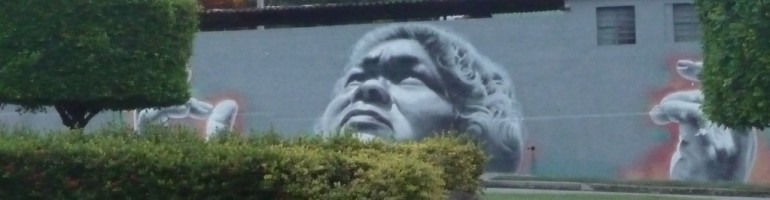
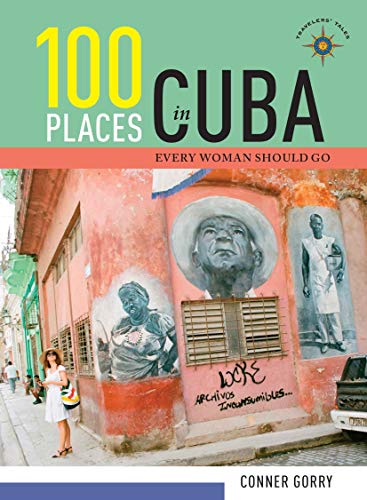





 Here is Havana