[tweetmeme source=”connergo” only_single=false]
Up and moving to a foreign country is like tiptoeing across a tightrope without a net. It takes balls (or ovaries, as we say on this side of the Straits), but can be stupid, reckless, and if all goes horribly wrong, detrimental to breathing.
When I landed in Cuba to live full time – without a net – in April 2002, I had a pretty good idea of what I was in for (see note 1). But imagining 6-hour blackouts and bucket showers is one thing. Cooking, eating, reading and lovemaking by candlelight followed by a military shower is something (uncomfortably, unsustainably) else.
Little by little, things improved. Gradually, I adjusted. I sprang for a $15 electric shower unit (known as widow makers in some countries) and we kept a list of debate topics on hand for the next blackout. Over time, I grew accustomed to my neighbors dropping by unannounced for coffee and a chat and I no longer started at the good-natured yelling Cubans indulge in. Poco a poco my wardrobe got shorter and tighter, I perfected the use of a pressure cooker, and grew used to the idea that gladiolas aren’t just for dead people (see note 2).
But clothing, cooking, even floral tendencies, are differences you expect in foreign countries. In Pakistan I had to cover my head. In Guatemala I (happily) forsook bread for tortillas. Here in Havana however, I was blindsided by something else entirely, something wholly unexpected: I’m surrounded by old people.
It’s not simply that Cubans have a longer life expectancy than you (see note 3) or that the country has 1,488 centenarians and counting. Sure, the island is a willing poster child for the 120 Club (see note 4), but the ubiquity of the elderly here has more to do with the culture of aging than health indicators.
In Cuba, great pains are taken to keep the ‘senior zits’ and ‘blue hairs’ (as my mother calls them, even though – technically – she forms part of their ranks) actively involved in society. Active aging they call it. Every day, from Pinar del Río to Guantánamo, you’ll see seniors doing knee bends and loosening their rotator cuffs in free, outdoor exercise classes; raisin-like men mixing up the dominos at seniors’ centers; and great grandmothers wheeling their sweet potatoes and yucca away from the Tulipán vegetable market.
As end of days approach, it is the rare Cuban that gets parked in a nursing home. Here, people prefer to take care of their own, at home – even hospice happens at home, in your own bed. Up north, meanwhile, we tend to shutter people away once they reach a certain age. Where I’m from, growing old and dying at home is the rare exception. I get that nursing homes are handy. Who wants to change their mother’s diaper or go unrecognized by their own father as he battles demons known only to Alzheimer’s patients? But, the incontinent and impenetrable aside, I think the Cubans are on to something with their family-based aging in place.
Teresita was my first clue. Wide-hipped and curmudgeonly, with hair dyed the color of bread crusts, Teresita is my 86-year old neighbor. She’s the archetypical despotic Cuban matriarch, heading up four generations of females squeezed into a 2-bedroom apartment. Though able-bodied, Teresita never leaves the apartment. Despite her cranky, iron-fisted disposition, we call her “Terry” with affection.
Times are hard for Terry and her girls. She had to share her rubber-sheeted bed with her 56-year old daughter Lila until the latter emigrated to Tampa. It happened exactly like most leave-takings here in Cuba: here one day, gone the next. The space opened up in Terry’s bed couldn’t compensate for the sorrow it planted in her heart. With the high drama that grips so many Cuban women, Terry comes to me after Lila has left to say the only thing she has to look forward to now is the grave.
While her granddaughter is out earning her daily bread and her great granddaughter is at school learning her times tables, Terry is left alone. All day, every day. She’s locked in, but far from shut-in: perched at her window observing all the comings and goings, Terry is The Gossip. From her I learn a trio of young thugs are posing as public health inspectors, finessing their way into the homes of little old ladies, and robbing them blind. It’s Terry who tells me that Omara from upstairs in going to Spain and Yusi downstairs is dating a new guy.
“He’s black,” she whispers to me, passing a couple of fingers along her forearm – the classic Cuban sign for a person of color.
Like many white ladies of an age, Terry is a little bit racist, which is akin to being a little pregnant in my book, but I let it slide. She’s got over eight decades of memories and experience and I find myself heading across the hall to “talk story” as we say in Hawaii. I find reasons to knock on her door – bringing her the reading material she so desperately craves and dropping by for coffee and a turn in her broken cane rocker. Over tiny cups of sweet and musky bodega coffee (see note 5), she tells me about her brutal, pre-revolution childhood.
Rocking and sipping, she tells me how her father’s second wife, a wicked substitute for Terry’s dead mother, forced her to work beginning at an absurdly early age. There were the customary cooking and cleaning chores that every household has, but young Terry was also forced to take outside work, washing and ironing the neighbors’ guyaberas, slacks, and skirts. If she protested, she met the business end of a belt. She’s less forthcoming about her husband, who gave her one daughter and a whole lot of headaches. Of course, our conversation always detours to the terrain of her various ailments: stiff joints, failing eyes, and a chronic, inexplicable throbbing in her thigh. If I let her roam, we’ll get lost in the badlands of her aches and pains.
Then there’s Carmita, my 82-year old friend from Regla (see note 6). She’s more affectionate and sharp-witted than Teresita, but is a similarly iron-willed matriarch with a long gone husband. ‘Good riddance!’ she exclaims with a devlish smile. ‘That one was born unfaithful.’ Laying a liver-spotted hand on my leg she cracks jokes about macho men and criticizes complicit women in that spirited, pre-curve feminist way of hers.
Sipping the same sweet, musky coffee from the same teeny cups everyone has here, Carmita spins tales of teaching hicks from the sticks to read during the 1961 literacy campaign. With her eyes closed softly, she recreates the Bay of Pigs attack, reliving those tense days. Carmita can be mercurial, fluctuating between placcid and resigned, spunky and spent. Like Teresita – like everyone I’m realizing – her life has been peppered with profound pain and loss.
Carmita has her health problems too – arthritis forced her to abandon her sewing business some years ago and the diabetes is under control. For now. While she fries up some plantains for her handsome grandson, Carmita relates last night’s dream with that munificent smile of hers. In the dream, her recently deceased daughter has been revived, the cancer expunged, her lifeblood back.
“Give me a hug Mom.”
“It won’t hurt?”
“No, Mom. I’m good. I’m healthy.”
Her words hung in the small, dark kitchen.
“And then you woke up, though you never wanted to,” I say with finality.
“It was horrible muchacha.”
I can’t imagine.
Old Cuba likewise comes alive sitting on Evarina’s porch in Miramar. Homebound and 80-something, Evarina’s a bulldog of a dame. She’s from the Oriente originally, (which means something if you know the island), and once upon a time was a daily cigar smoker like myself. Her diabetes is having its way with her and there’s some concern she might lose her foot. While she tries to “resolve” a course of the Cuban wonder drug for diabetic foot, she passes her time burning up the phone lines gossiping about her sister’s new cleaning lady and the Braves’ acquisition of her favorite ball player.
Then there’s Mary and Esther. Debra and Julia. When I step back and look at the landscape of my life here in Havana, I’m shocked to realize that the people I like best, that are the most interesting and engaging, are, on average, 79 years old. Old women, the lot of them. Why, I ask myself, are there so many viejitas in my midst? Could this even happen in the States?
Gotta run. Carmita’s expecting me in Regla and has promised to tell me about when Hemingway was sweet on her, dropping by her work to flirt and conquer.
Notes
1. I had been here several times before, first as a volunteer in 1993 during the Special Period (which was very, very “special” according to the Cuban joke,) and most recently in 2000.
2. There are a couple of Cuban characteristics I will never get used to. Topping the list is the national penchant for spoiling movie endings. If you have Cuban friends, you know what I’m talking about. The other is eating pizza with a knife and fork.
3. Cubans’ life expectancy is 78.3 – just surpassing the US figure of 78. Meanwhile, 16% percent of the island’s population is over 60; this will shoot up to 25% by 2025. Cuba’s recently concluded national centenarian study is fascinating.
4. Fidel Castro is the Club’s most famous member.
5. The “bodega” is where Cubans receive their monthly rations – food and other staples provided almost free by the State. As I type this, the ration card is being phased out in one of the most radical departures for the Cuban government in recent memory (I’d hate to be the person who had to convince Fidel that cutting rations is a good idea). Last week, potatoes and dried peas were dropped from the ration card. Bread and coffee are next but won’t go as gently into that good night as papas and chicharro, I’m afraid. In Cuba, bread and coffee mean breakfast. Making people buy these staples is going to be tricky – especially coffee, which, like everywhere, is very expensive: we make one espresso pot a day, spending around $15 a month. Being that the average salary is $12 a month, we’ll soon be facing a national java jones unless other provisions are made.
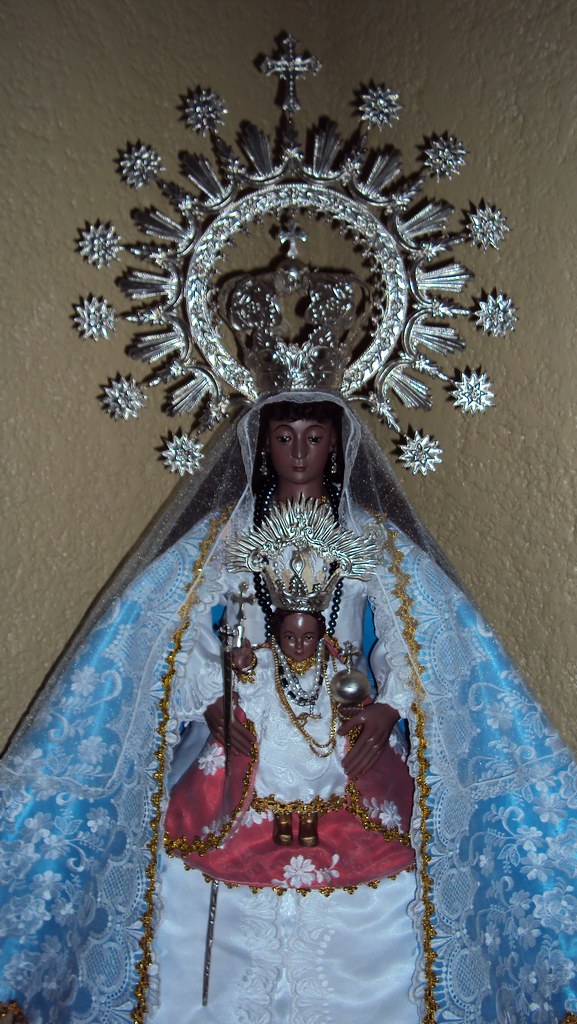
6. Regla is known as the “Little Sierra Maestra” it’s that revolutionary. It’s also home to the Black Virgin of Regla (Havana Bay’s patron saint and closely linked with Yemayá) and many secrets great and small. You can drive to Regla in 10 minutes from downtown Havana, but cross the bay via ferry for a picturesque, enjoyable journey to what could be a small town in the island’s interior, with all the friendly faces and simple fun that implies.











 Here is Havana